
POST-TENSIONING SYSTEMS
POST TENSIONING SYSTEMS
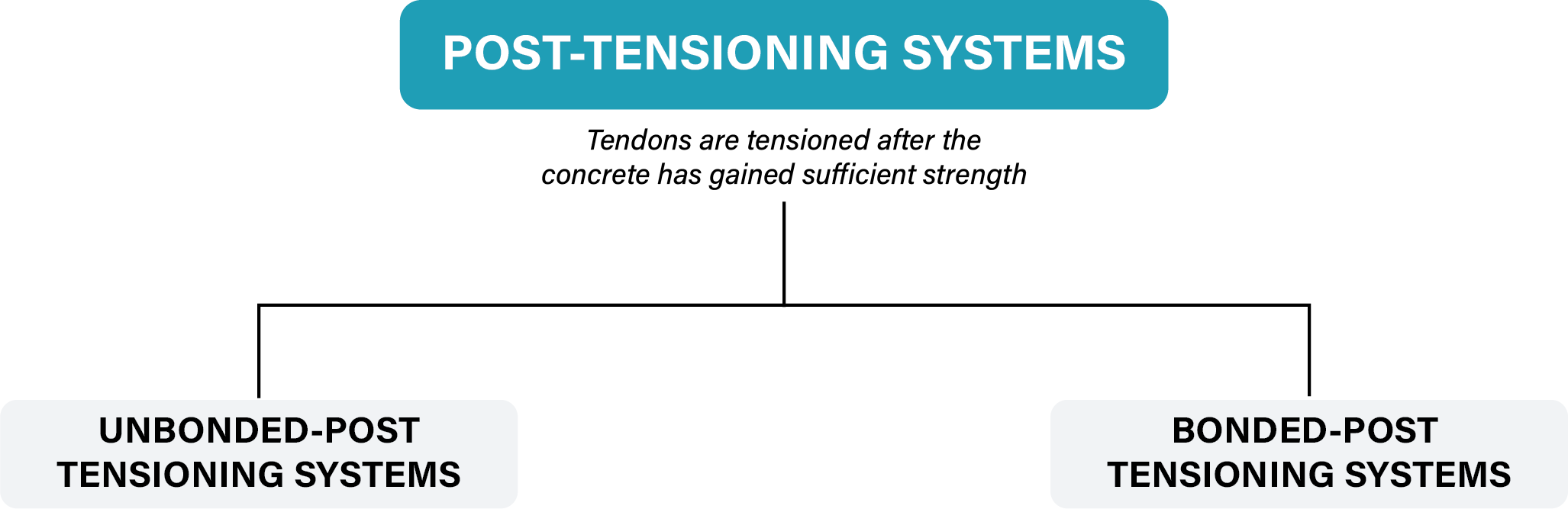
Post-tensioning concrete is a specialised form of prestressed concrete in which high-strength steel tendons are tensioned after the surrounding concrete has been cast and has attained the required strength. The objective is to introduce a controlled compressive force into the concrete, counteracting tensile stresses generated by dead and live loads during service.
In post-tensioning systems, the tendons are not placed in direct contact with the concrete during casting. Instead, they are housed within sheathing or ducts that allow controlled stressing and anchorage. Each tendon is anchored at its ends using mechanical anchorage assemblies designed to safely transfer prestressing forces into the concrete.
Once the concrete reaches the specified strength, the tendons are stressed using calibrated hydraulic jacks. After stressing, the tendons are locked off at the anchorages, resulting in a permanent compressive stress state within the structural element. This compression significantly improves behaviour of slab and beams by reducing tensile cracking, limiting deflections, and enhancing long-term durability.
Depending on the tendon encapsulation and bonding mechanism, post-tensioning systems are broadly classified into two principal types:
TYPES OF POST-TENSIONING SYSTEMS
Unbonded Post-Tensioning Systems
Free-moving tendons with protective coating for faster installation in residential and commercial projects.
Bonded Post-Tensioning Systems
Tendons permanently bonded through grouting for enhanced structural performance in heavy-load applications.
ADVANTAGES OF POST-TENSIONING SYSTEM
Casting the tendon ducts or sheathing into the concrete prior to stressing allows tendons to be profiled to the desired geometry, including vertical and horizontal curvature. When stressed, this profiling generates beneficial reaction forces within the concrete, improving load balancing and structural efficiency.
As a result, post-tensioning systems enable:
And several other performance benefits depending on structural configuration, loading conditions, and system selection.
BONDED POST-TENSIONING SYSTEMS
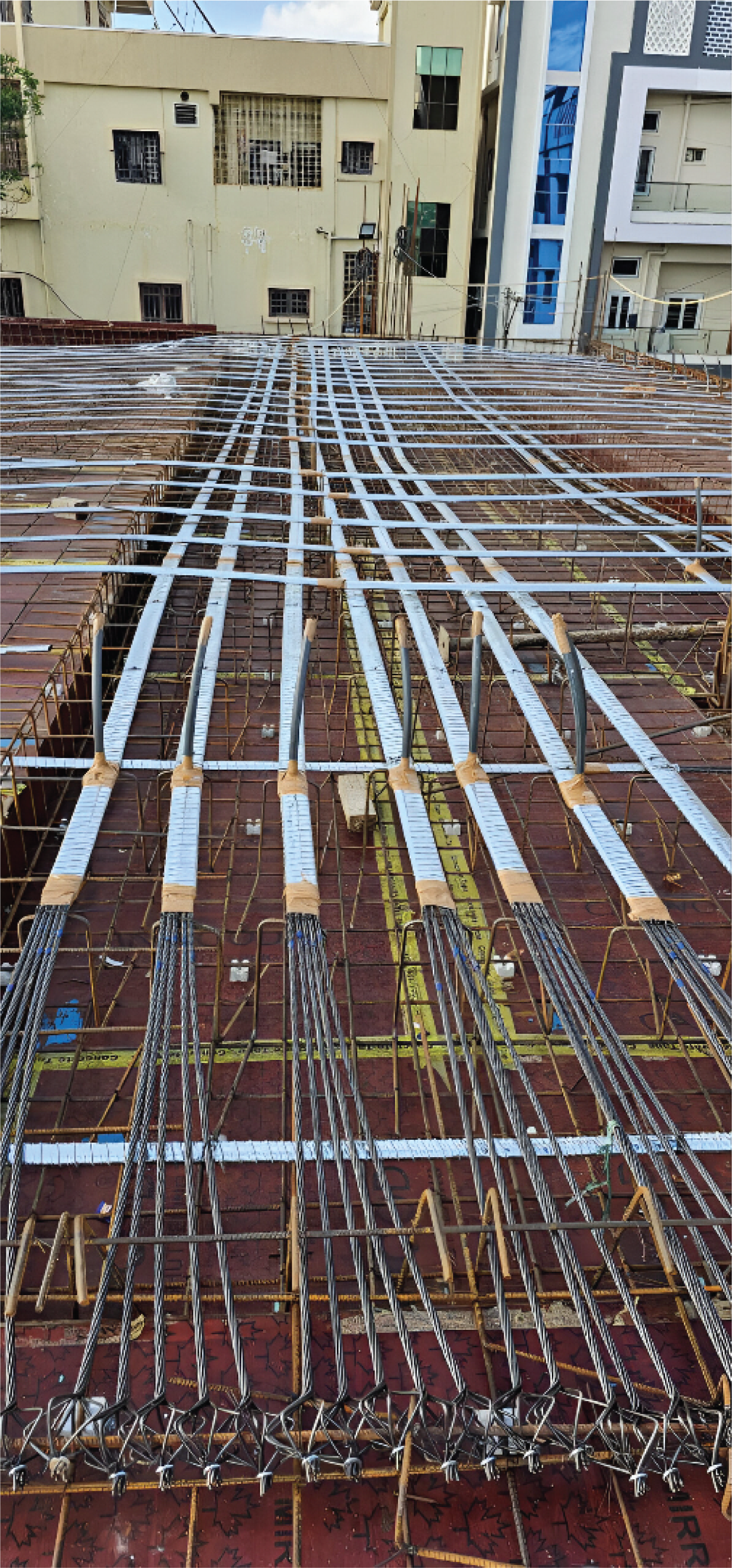
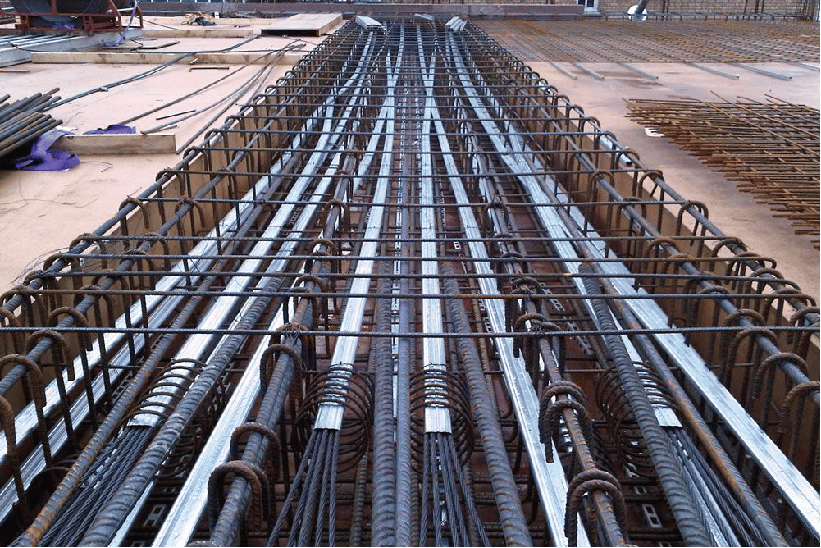
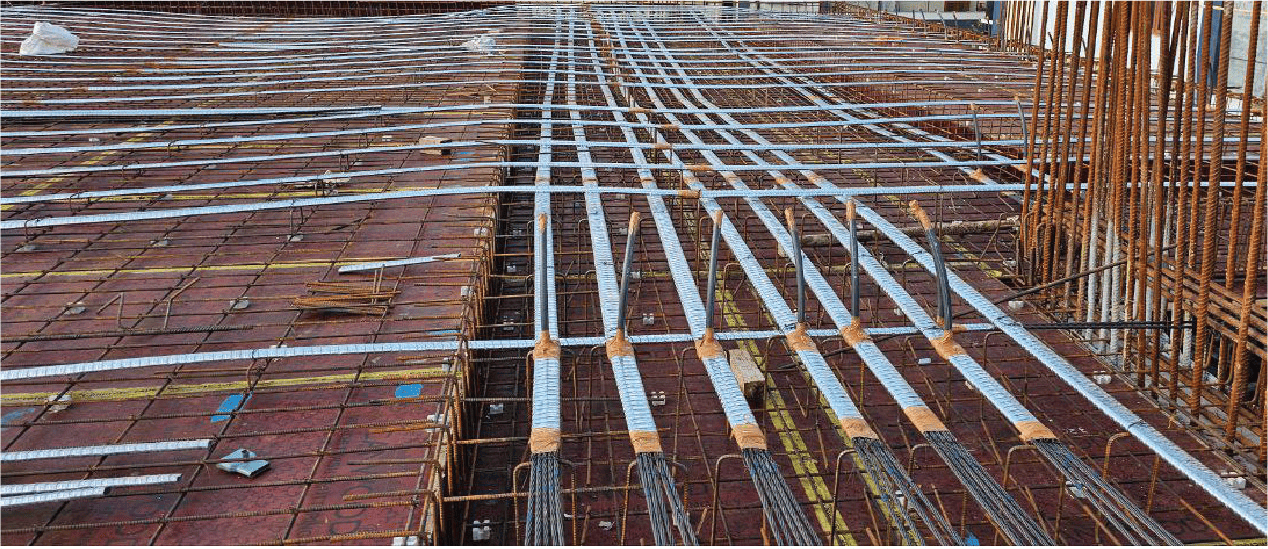
In bonded post-tensioning systems, high-strength steel tendons are permanently bonded to the surrounding concrete after stressing. This bond is achieved by pressure-grouting the ducts with cementitious grout, ensuring continuous load transfer along the entire tendon length.
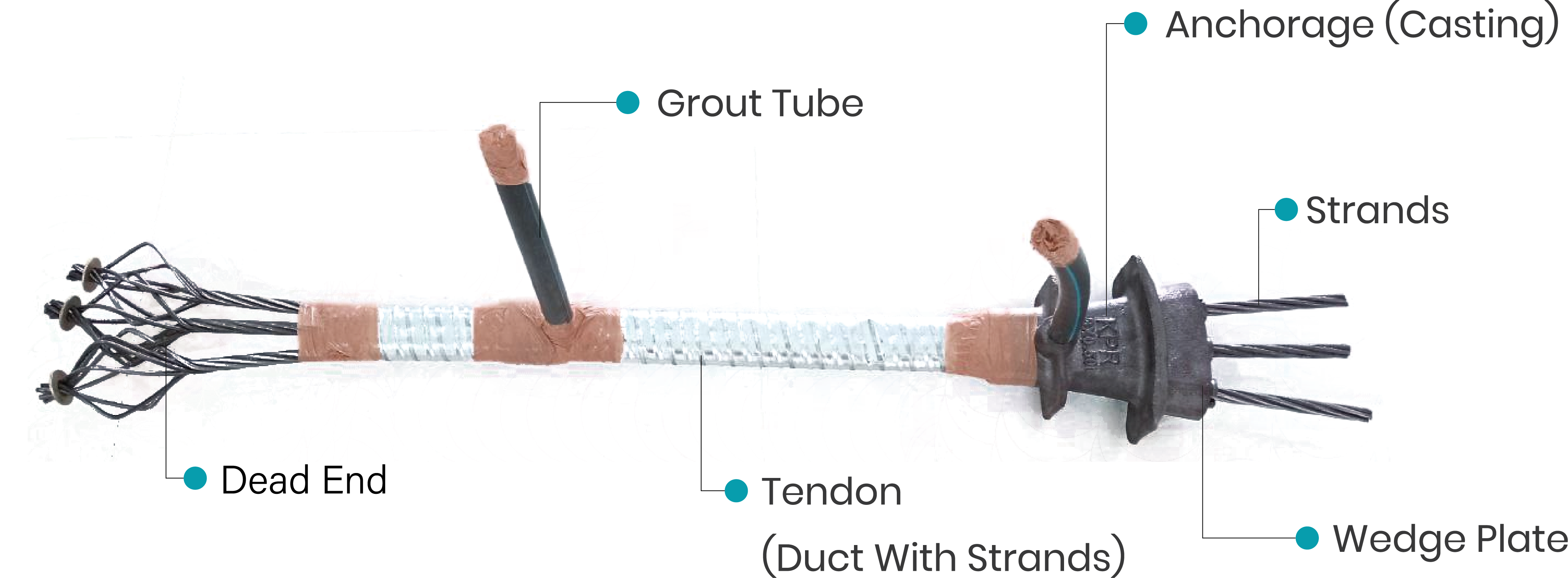
COMPONENTS OF BONDED POST-TENSIONING SYSTEM
FIELD EXECUTION METHODOLOGY
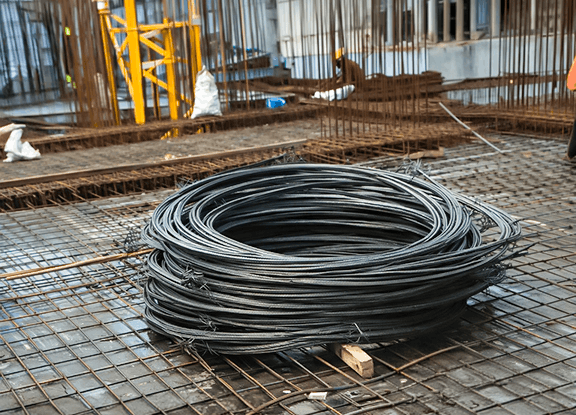
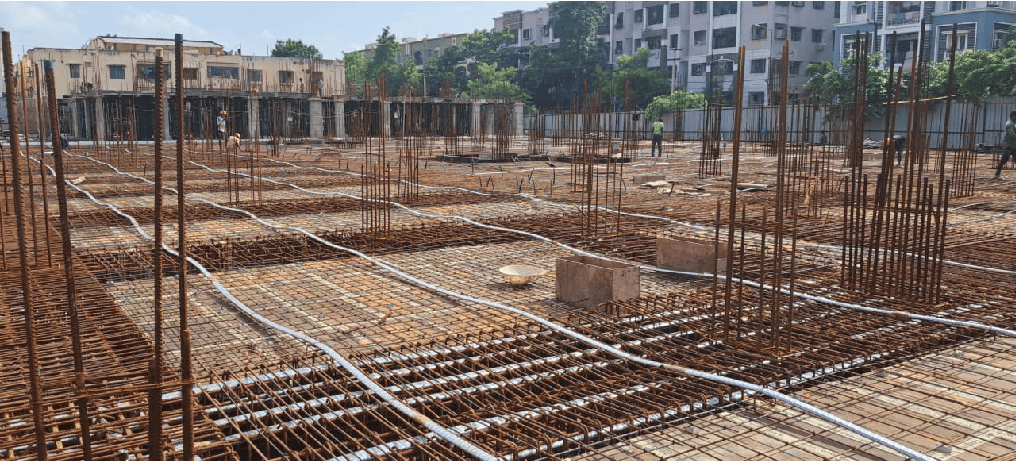
All PT materials—including strands, ducts, anchorages, wedges, and accessories—are inspected, measured, and cut according to approved shop drawings.
Each component is labeled, bundled, and dispatched to site with proper identification to avoid installation errors and ensure smooth workflow at the slab level.
KEY COMPONENTS USED
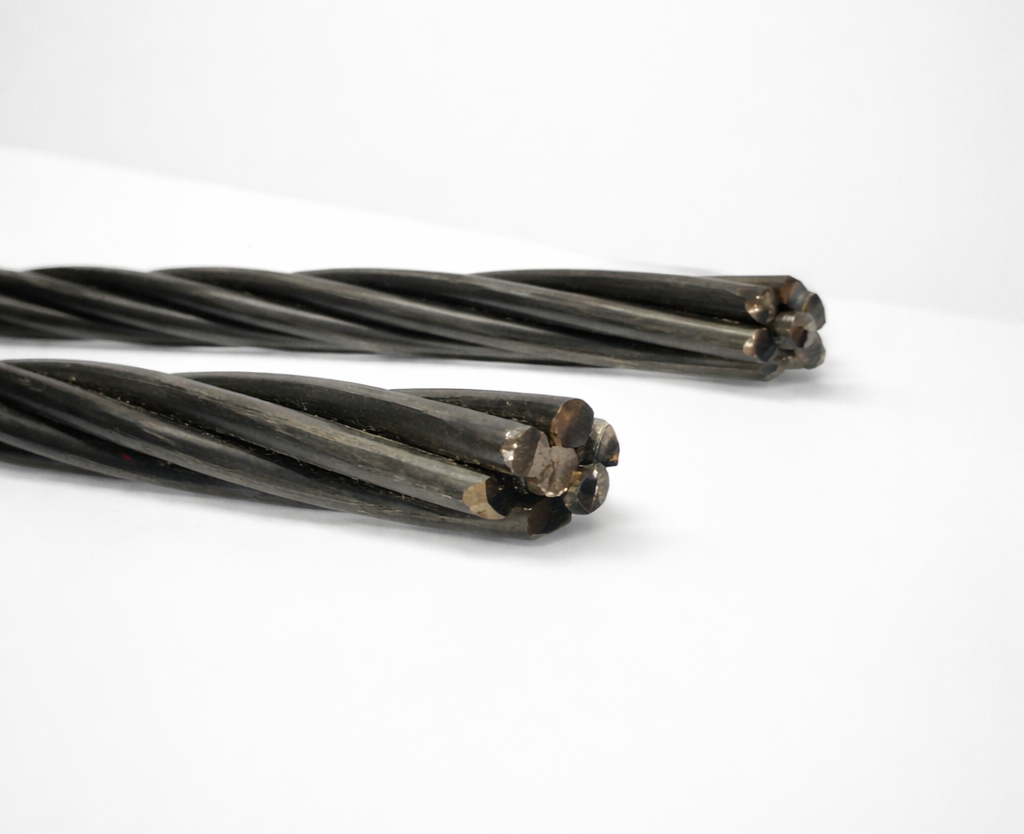
PRESTRESSING STEEL
These strands are engineered to deliver high tensile capacity, minimal relaxation losses, and stable performance during stressing and throughout the service life of the structure.
Learn More →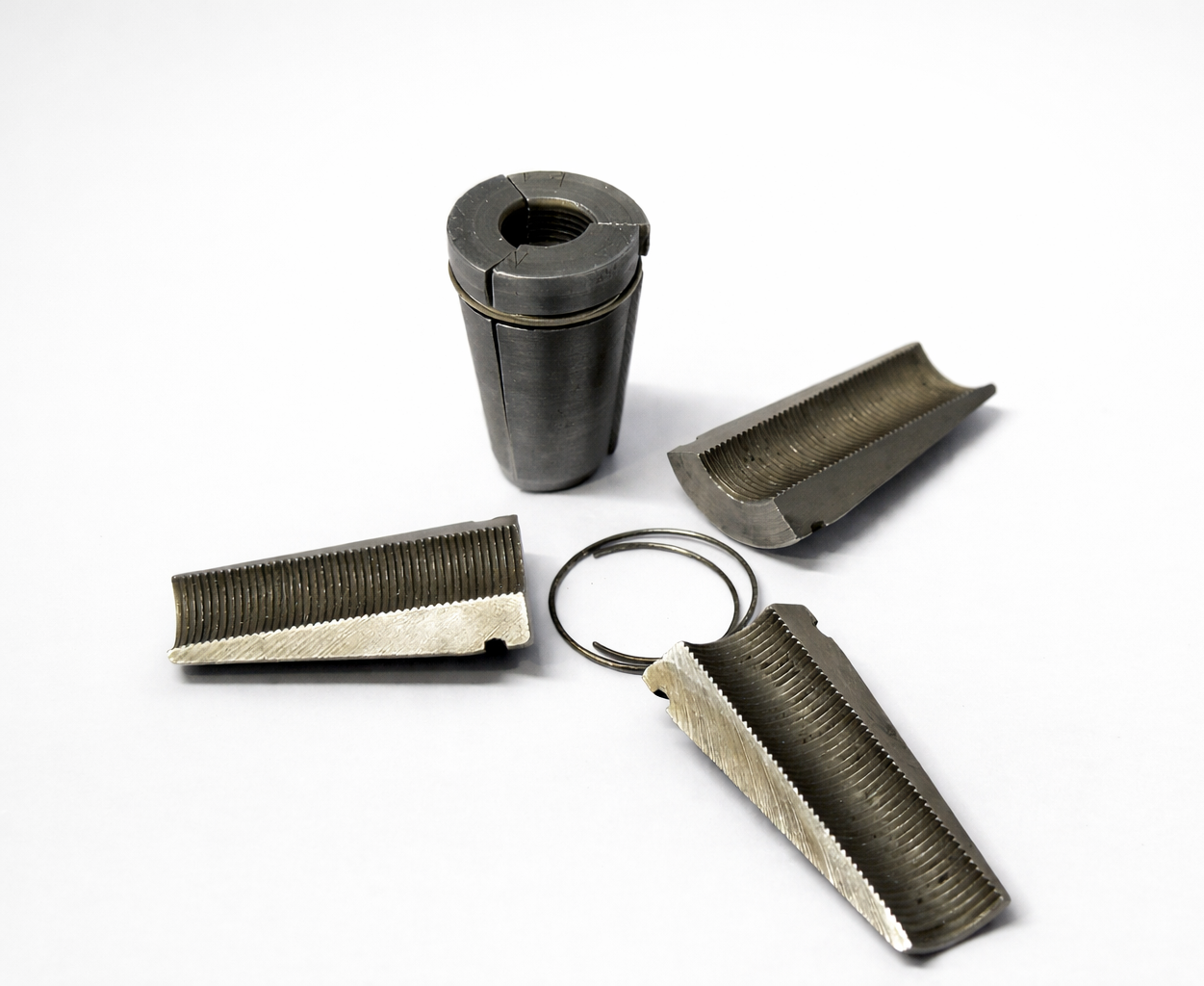
WEDGES
Wedges are precision-engineered mechanical components used within the anchorage system to grip and lock the prestressing strand securely.
Learn More →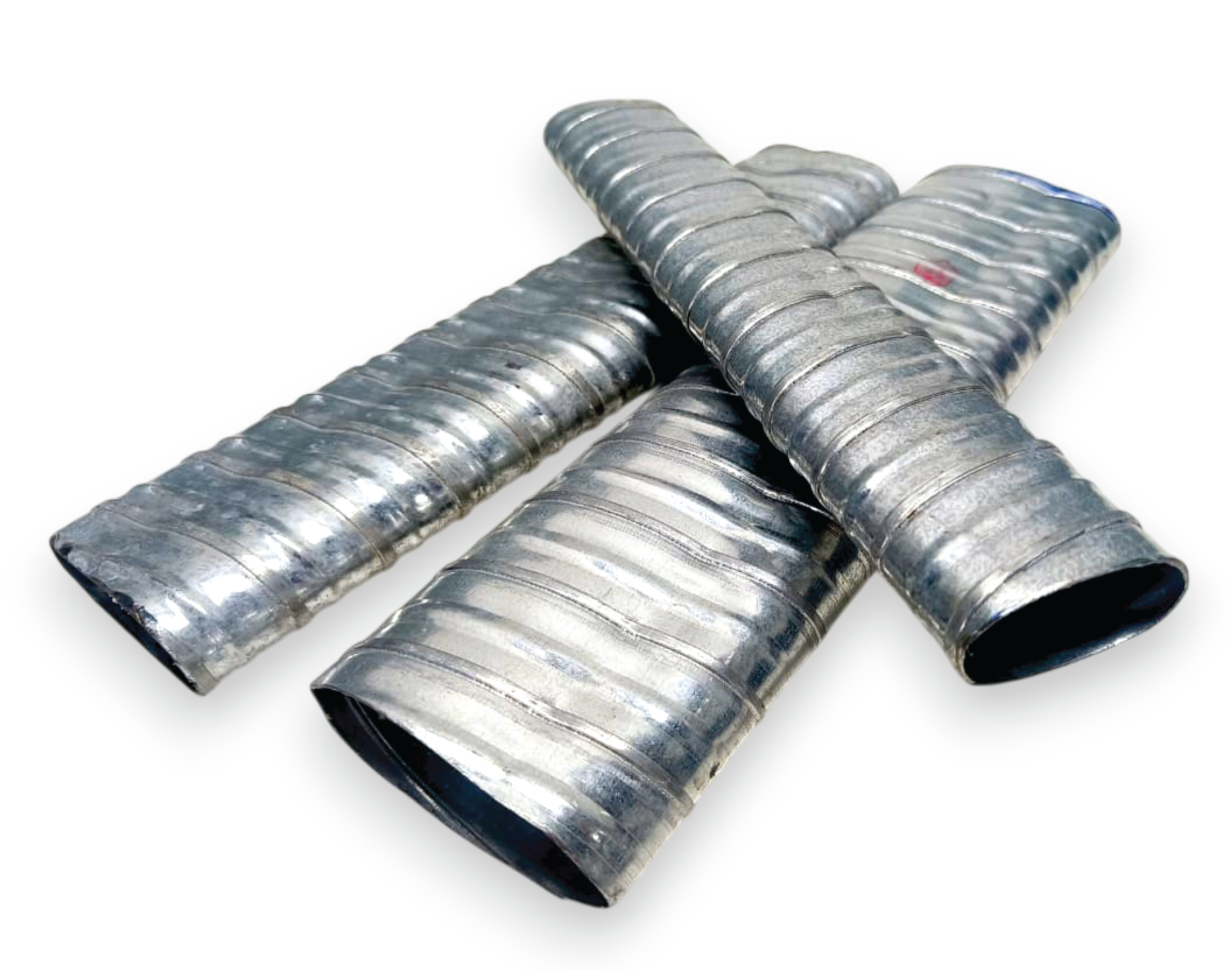
DUCTS
Ducts form the protective pathway for prestressing strands in bonded post-tensioning systems.
Learn More →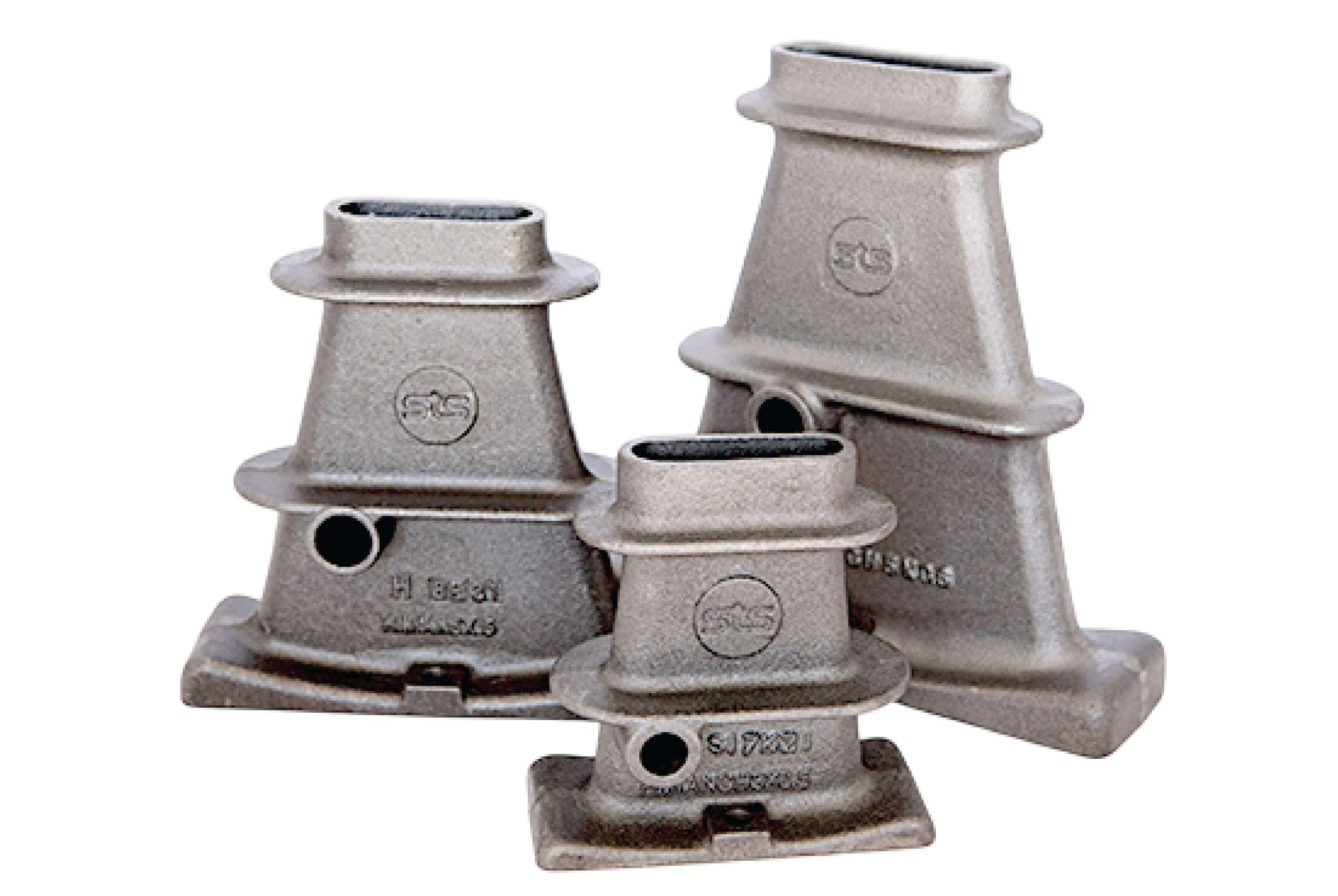
ANCHOR BLOCK
Anchor blocks, also referred to as anchorage heads, are critical load-transfer components that convey prestressing forces from the strands into the concrete member.
Learn More →FIELD EXECUTION GALLERY
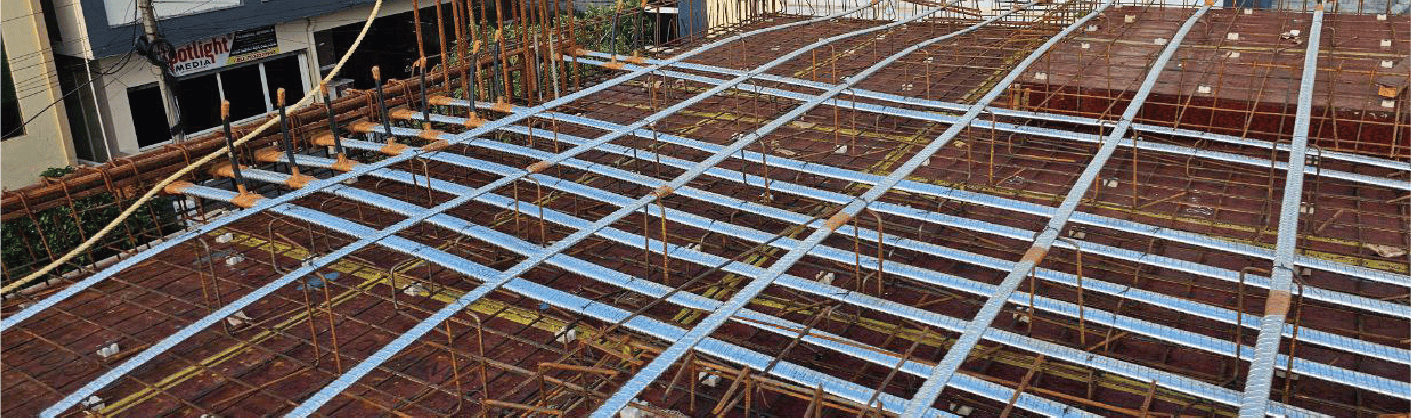
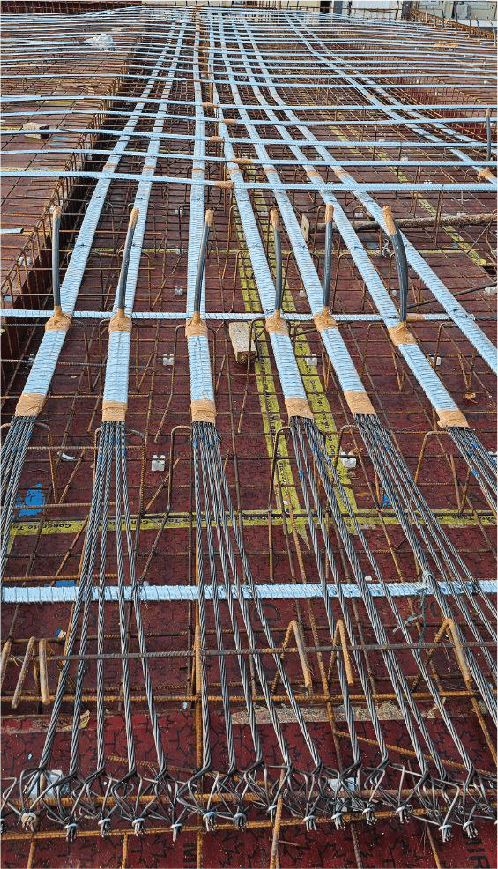
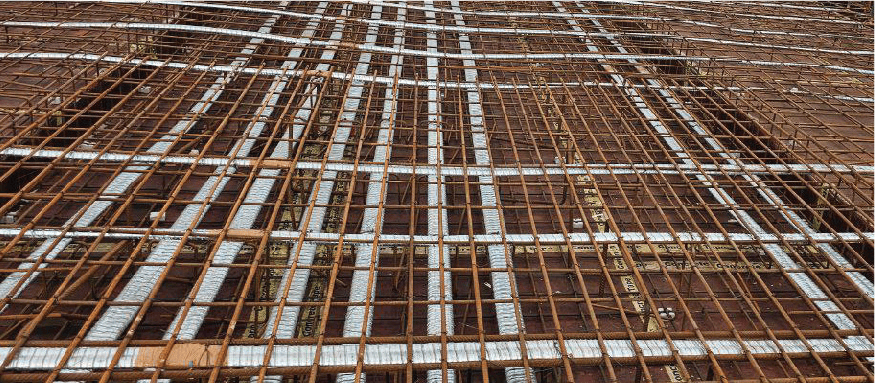
UNBONDED POST-TENSIONING SYSTEMS
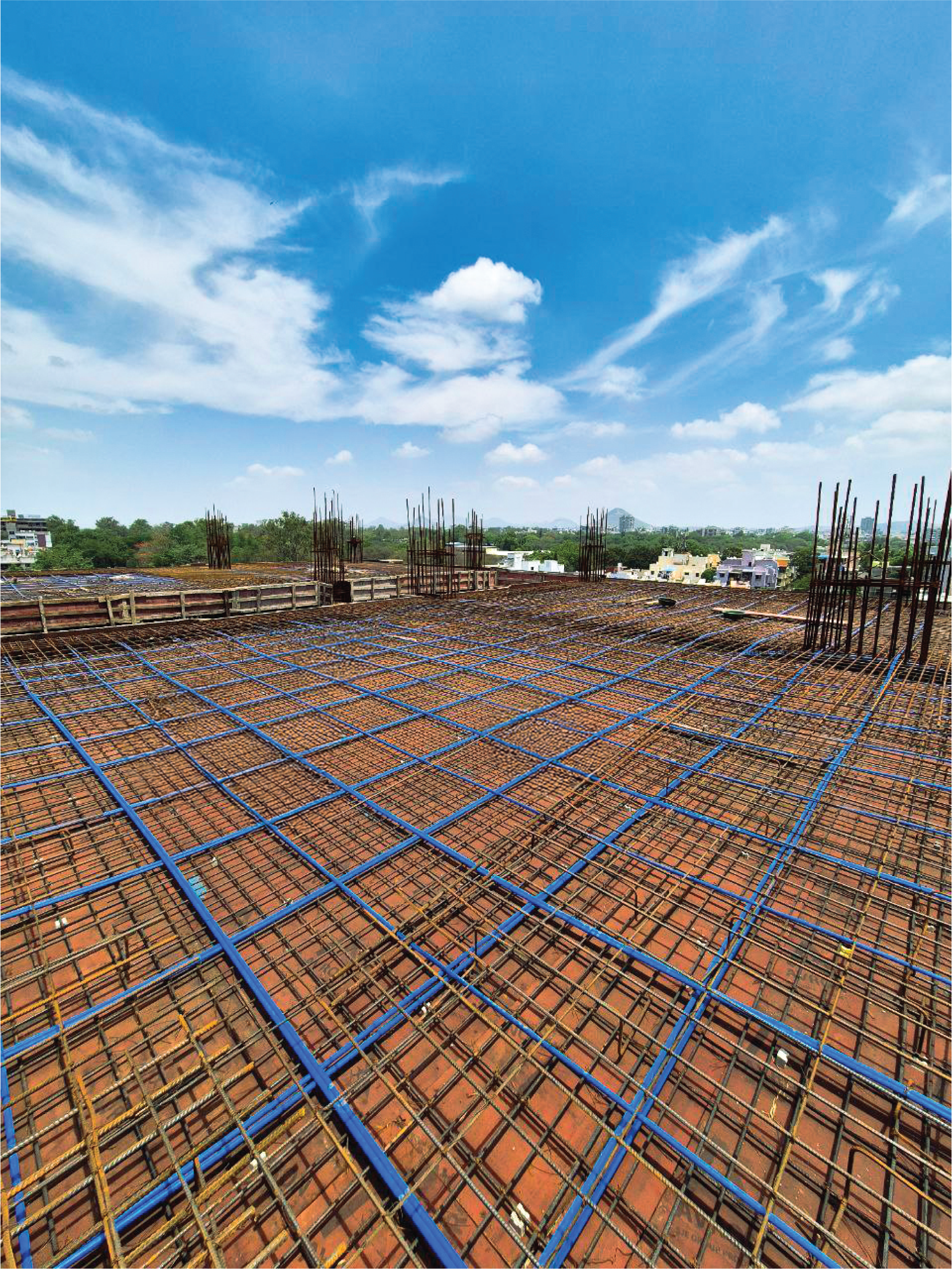
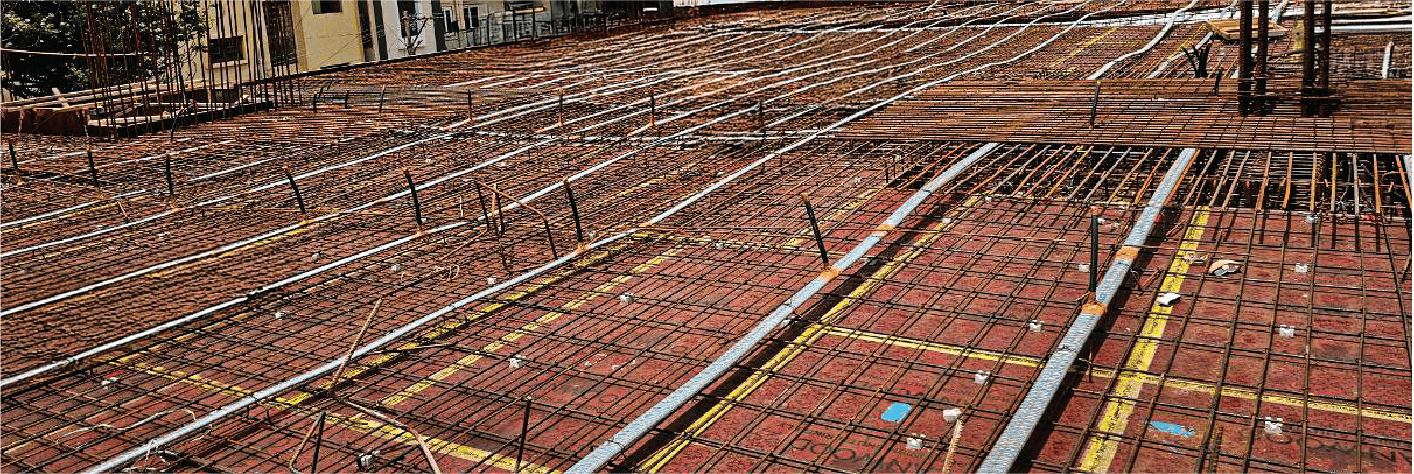
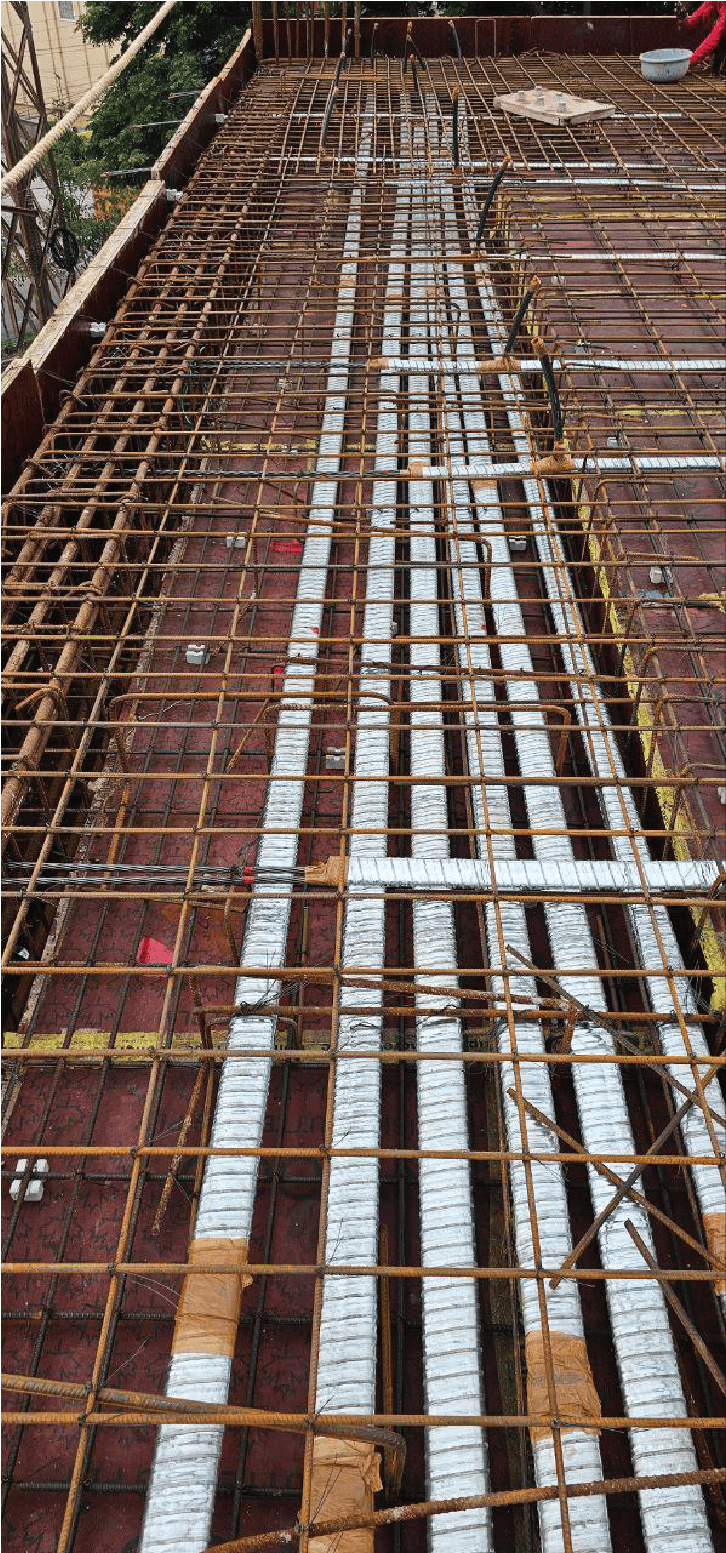
Unbonded (mono-strand) post-tensioning system are characterised by tendons that remain free to move relative to the surrounding concrete throughout the structure’s service life. Each tendon is individually coated with corrosion-resistant grease and enclosed within a seamless plastic sheathing, forming a fully encapsulated unit.
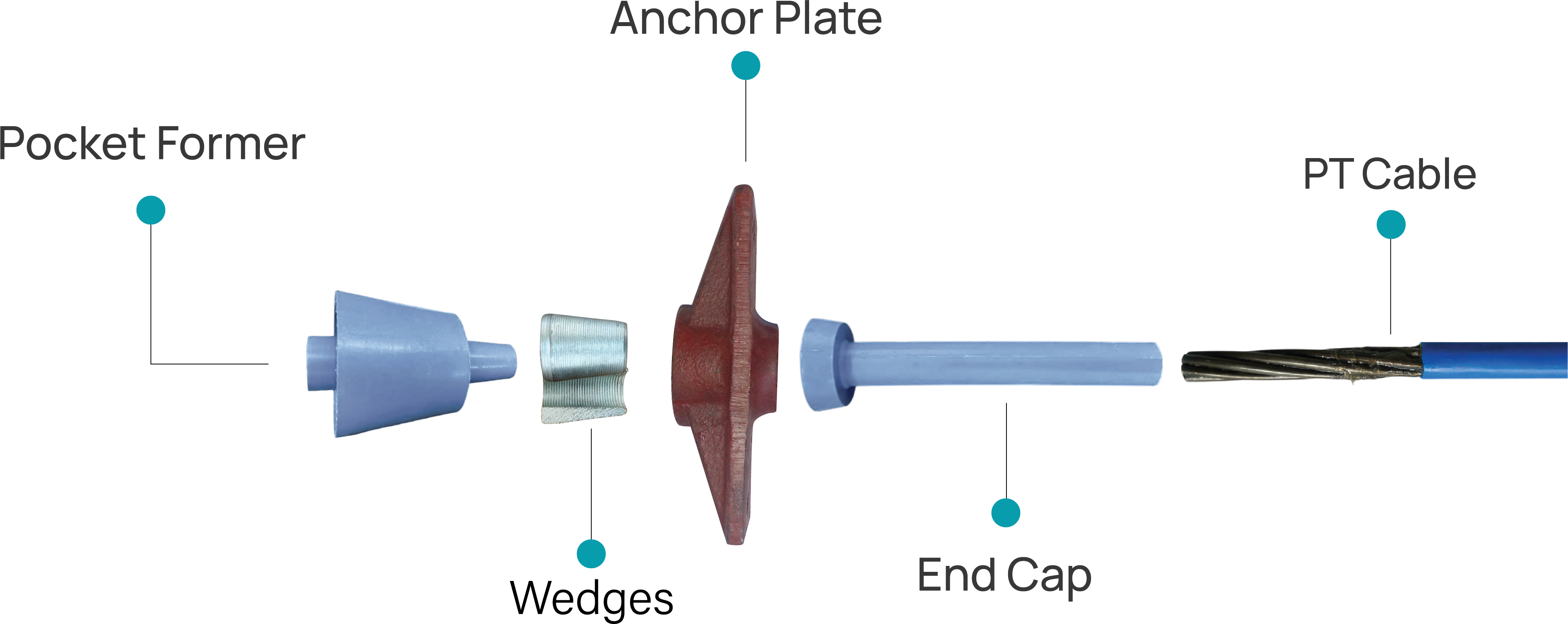
COMPONENTS OF UNBONDED POST-TENSIONING SYSTEM
FIELD EXECUTION METHODOLOGY
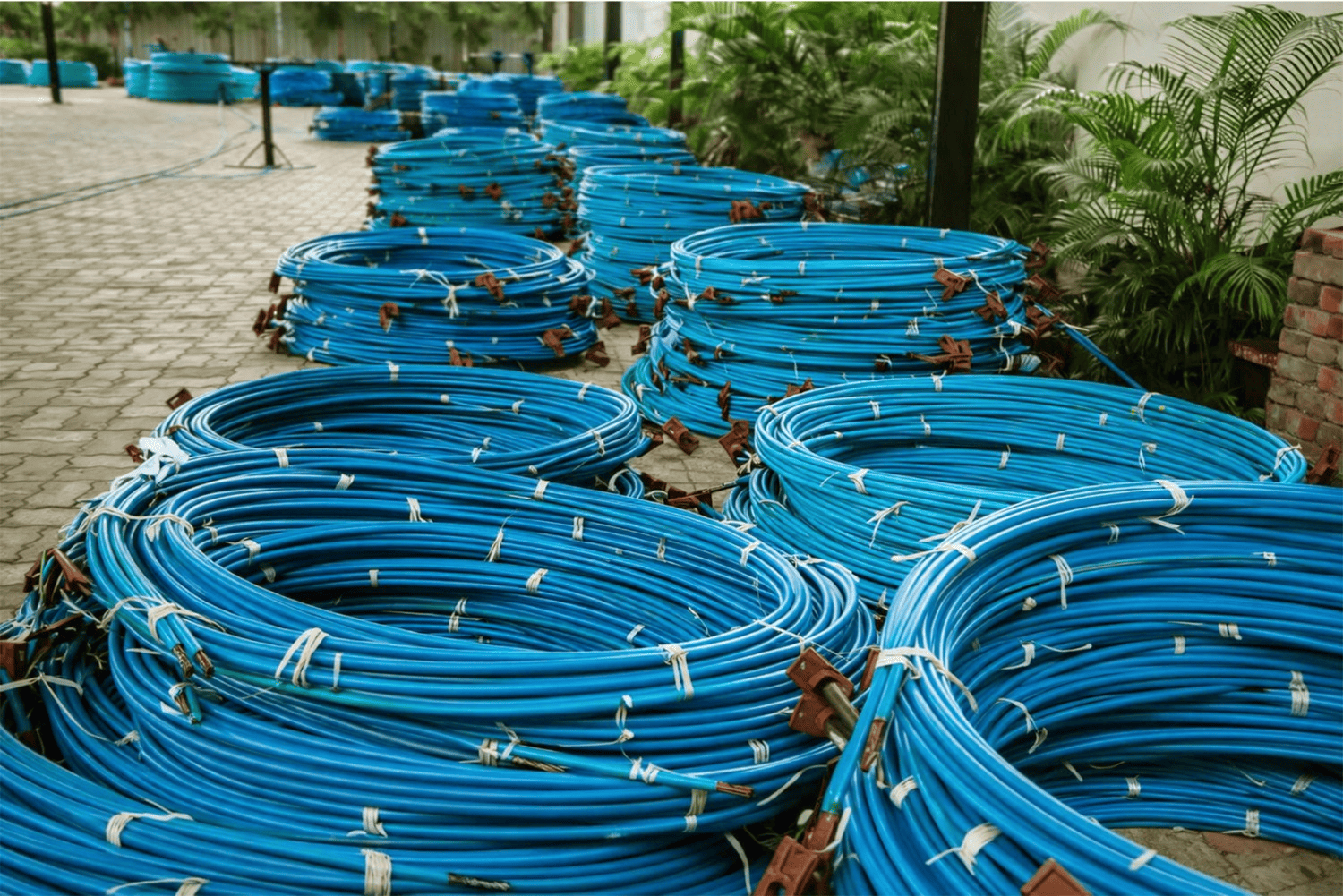
All monostrand tendons, anchor assemblies, wedges, plates and accessories are inspected against shop drawings and delivery documents.
Strands (factory-greased and sheathed) are measured, cut to specified lengths, labelled and dispatched to site with clear identification to prevent mix-ups. Ensure grease quantity and sheathing integrity are checked before shipping.
KEY COMPONENTS USED
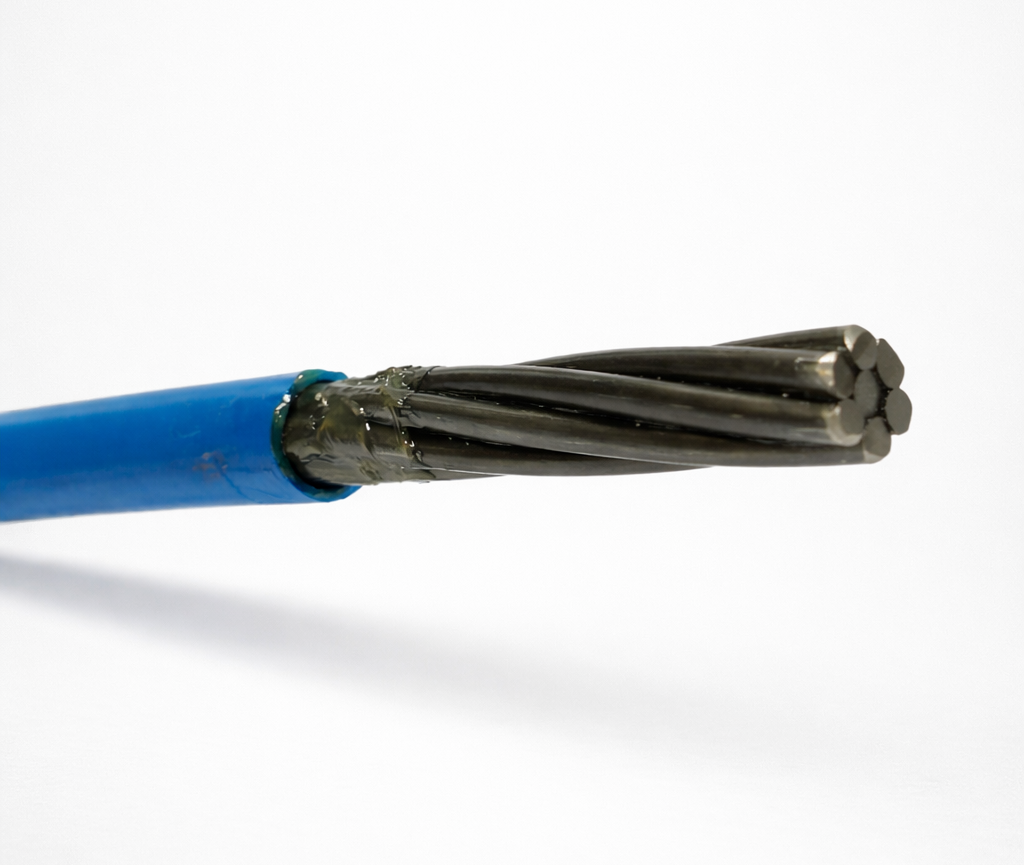
PRESTRESSING STEEL
These strands are engineered to perform reliably under long-term service loads, accommodate slab movements, and retain prestressing force with minimal relaxation losses.
Learn More →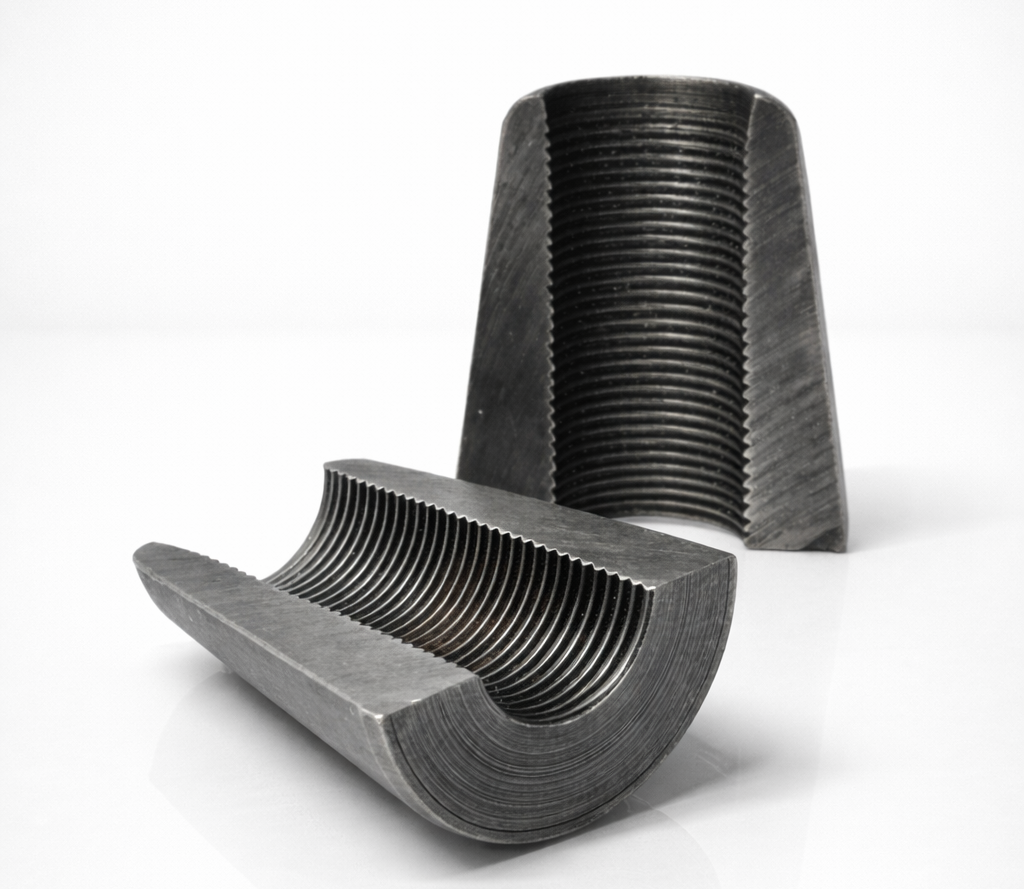
WEDGES
Wedges are precision-engineered mechanical components that grip the prestressing strand and transfer stressing force into the anchor plate.
Learn More →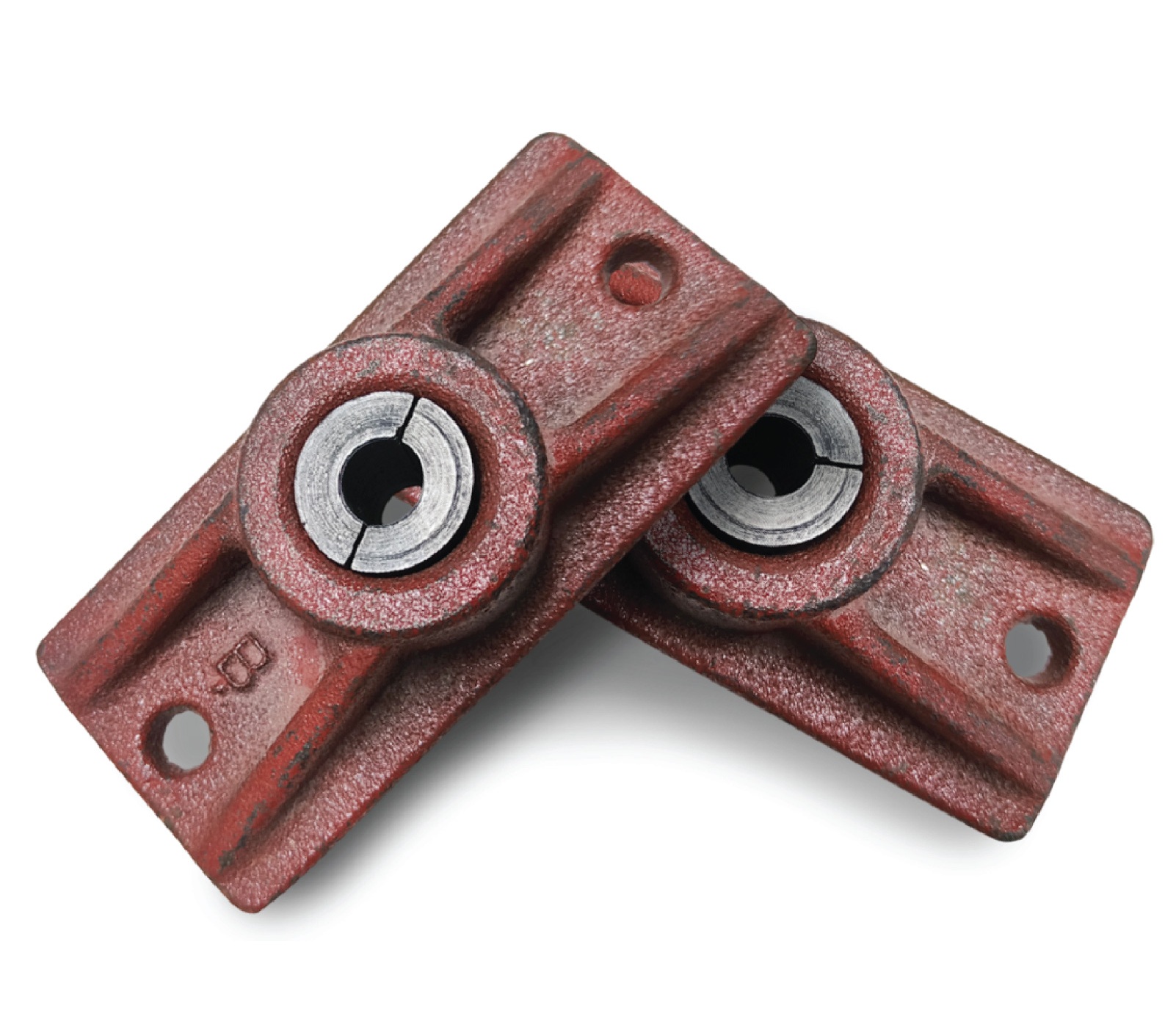
ANCHOR PLATE
The anchor plate is a critical component of the PT anchorage system.
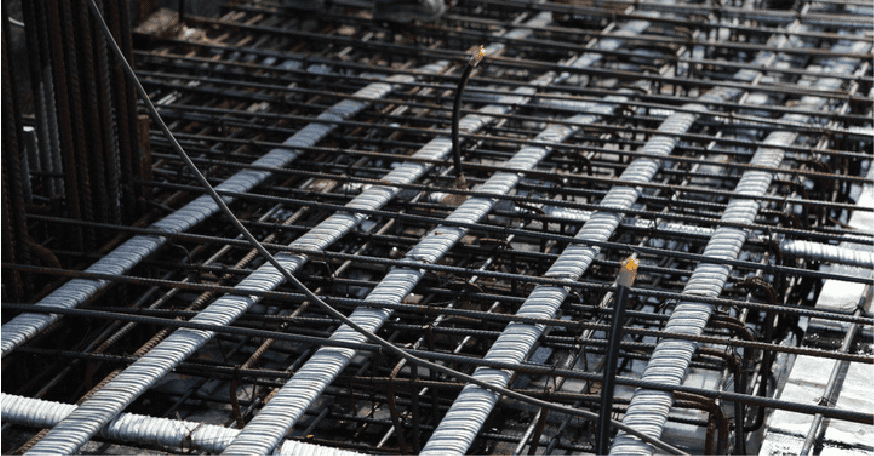
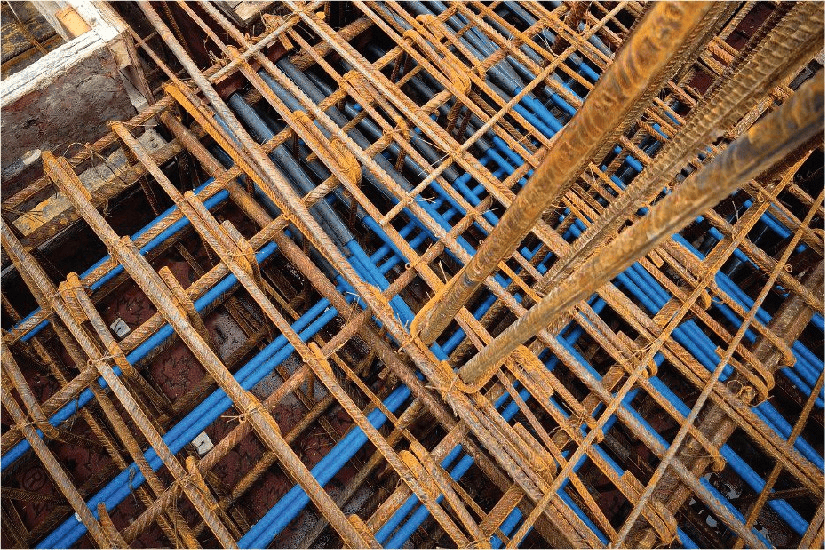
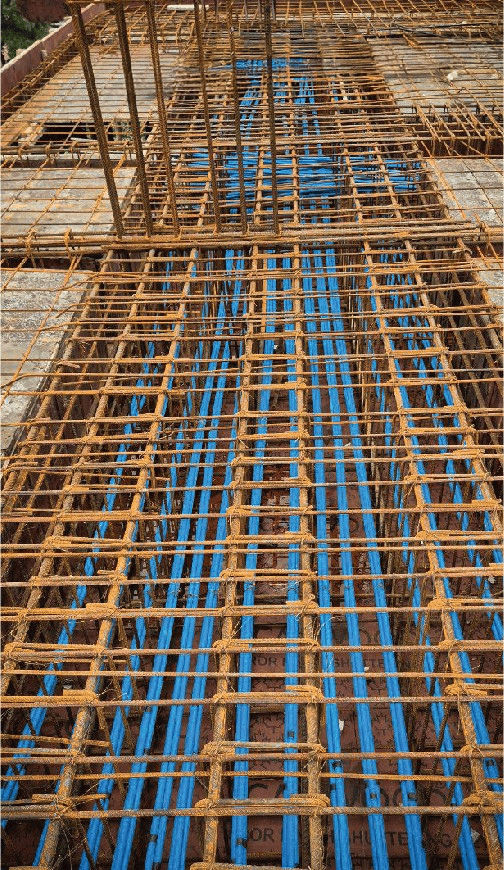
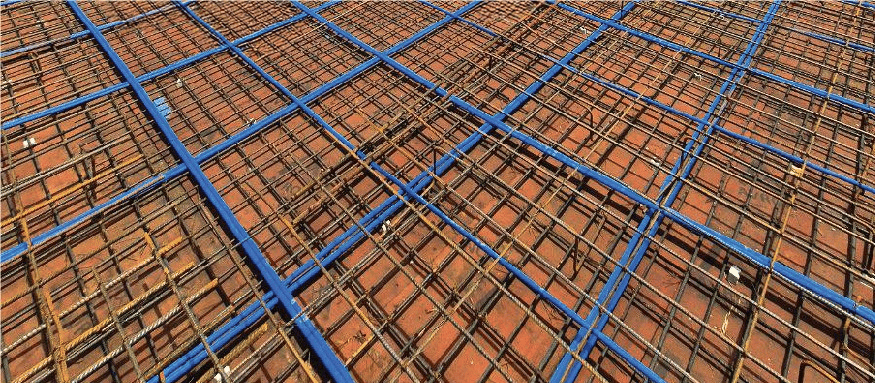
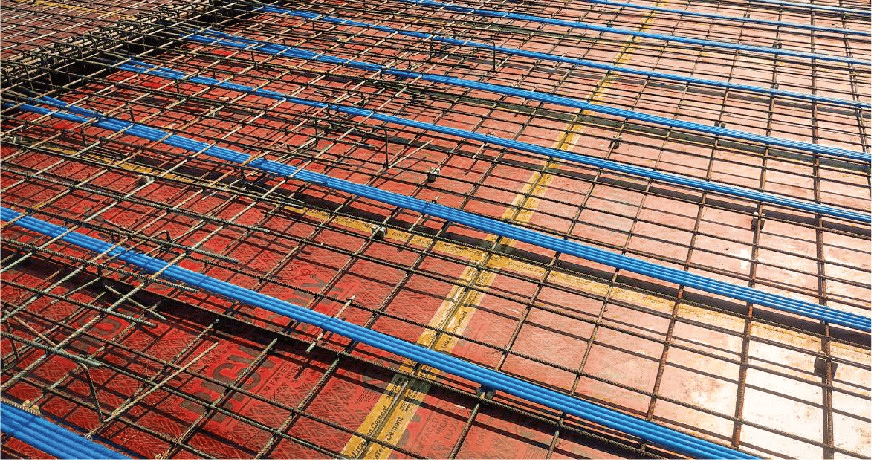
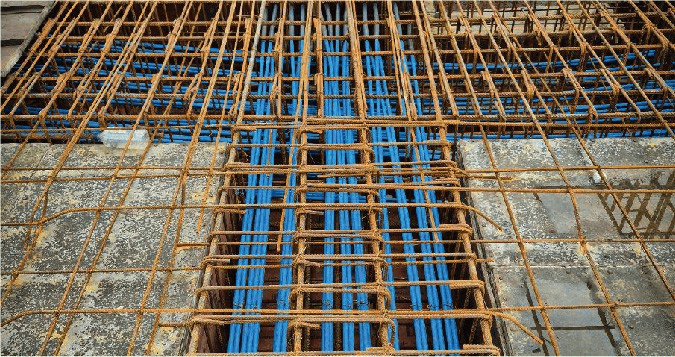
Learn More →FIELD EXECUTION GALLERY
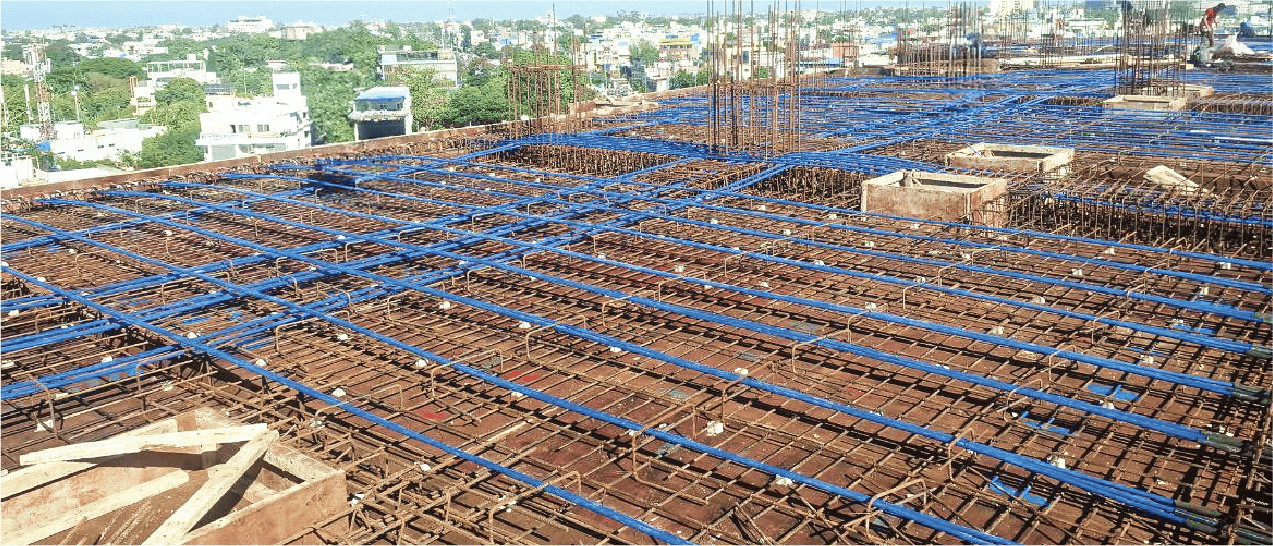
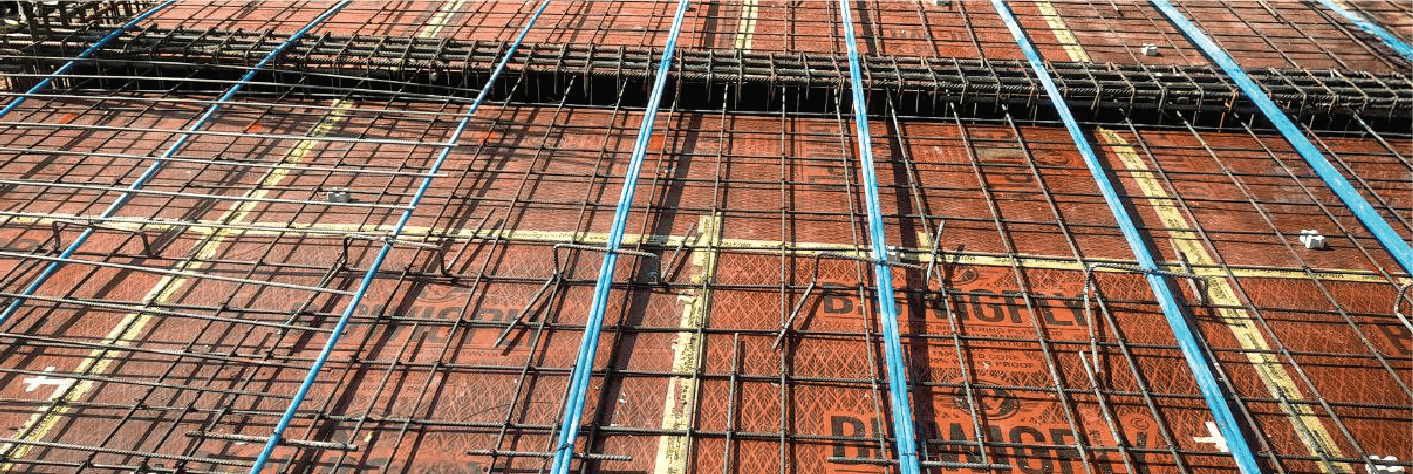
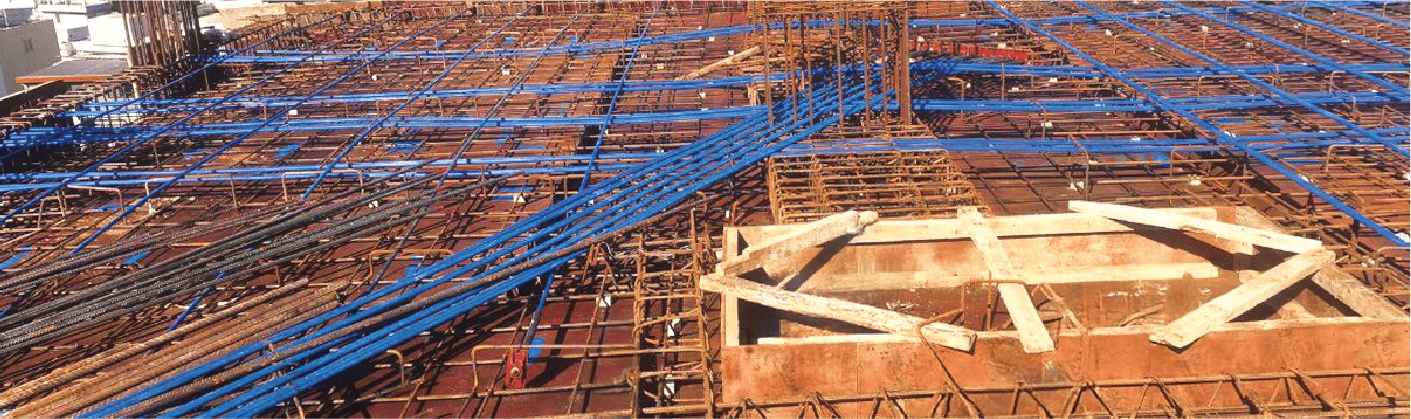
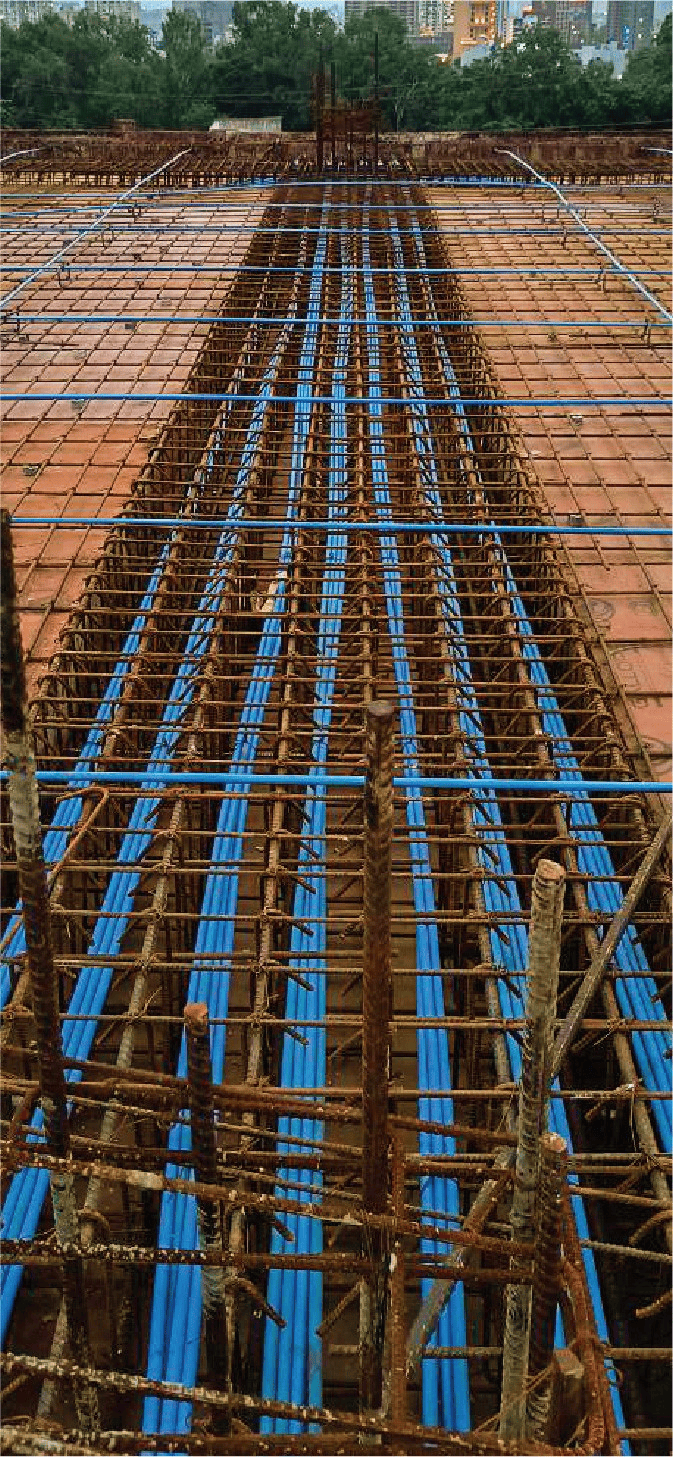
STRUCTURAL GEOMETRY
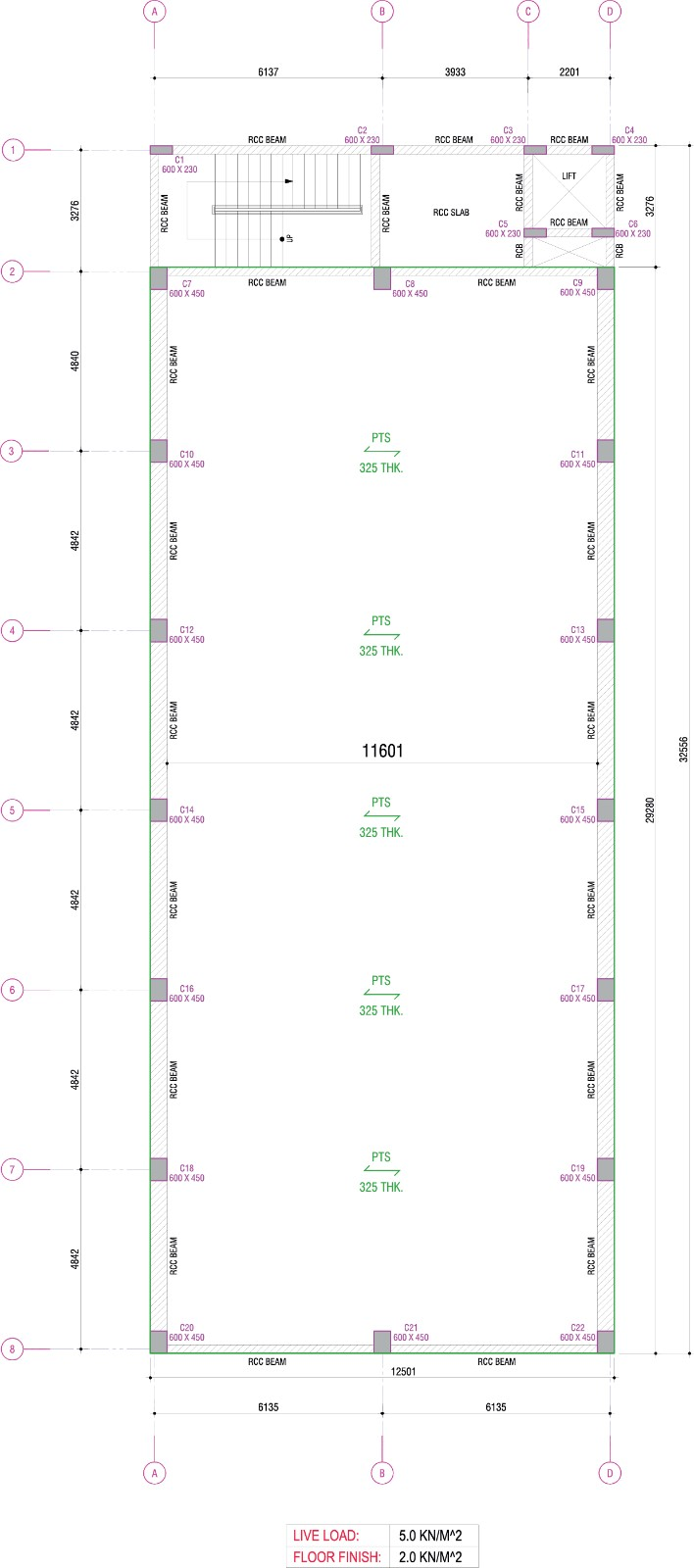
Description
A flat plate is a reinforced concrete slab directly supported by columns without beams. It provides a clean structural layout and allows flexible architectural planning & MEP services.
Structural Appearance
- Slab rests directly on columns
- Ceiling surface appears flat and smooth
- No beams are visible
- More clear heights
Where It Is Used
Associat Podiums, Offices, Hotels, Parking structures